

Table of Contents
- Why Authors Look Beyond Traditional Manuscript Agencies
- Manuscript Agency Alternatives: Your Main Options
- How to Find a Reputable Book Publisher in Australia
- Book Marketing and Publicity for Authors: What Happens After Manuscript Development
- Collaborative Publishing Australia: A Middle Path Between Self-Publishing and Traditional Routes
- Comparing Costs: Manuscript Agencies vs. Alternatives
- Choosing the Right Manuscript Agency Alternative for Your Work
- Conclusion
Last Updated: August 3, 2026
Most aspiring authors reach a crossroads after finishing their manuscript. Traditional agents feel out of reach. Self-publishing feels risky. Manuscript agencies often demand thousands upfront with no guarantee of publication. At Write Inspire, we've spent over 30 years working with writers facing exactly this dilemma. Rather than pushing you toward vanity publishing, we focus on what matters: developing your manuscript until it's genuinely ready, then supporting you through publication and beyond.
The problem isn't that manuscript agencies don't exist. Many operate as gatekeepers, deciding what's worth publishing before properly reading your work. A manuscript agency alternative for authors offers different options, ones that prioritise your manuscript's actual quality and your long-term success, not just the transaction.
Why Authors Look Beyond Traditional Manuscript Agencies
Traditional literary agents focus almost exclusively on manuscripts they believe will sell to major publishing houses, leaving most writers outside the gate. Manuscript agencies have become a mixed bag. Some are legitimate and helpful. Others operate like vanity publishers, charging substantial upfront fees regardless of your work's potential.
Many writers discover they need something different: honest feedback, guidance on structure and voice, and someone willing to tell hard truths then help fix what's broken. That's why a manuscript agency alternative has become increasingly attractive. It shifts focus from gatekeeping to genuine development.

The financial reality matters too. Traditional agents work on commission, they only make money if your book sells, aligning incentives well. Vanity publishers make money from authors upfront, creating perverse incentives to accept anything. A real alternative sits in the middle: services that charge reasonable fees for genuine value or align their success with yours.
Manuscript Agency Alternatives: Your Main Options
When you step away from the traditional agency model, several distinct paths emerge, each addressing different needs.
Creative Writing Coaching and Manuscript Development
Coaching differs fundamentally from assessment. A coach works with you over weeks or months to help you understand what your manuscript is trying to do and how to make it do it better. A good coach asks questions that deepen your understanding: Why does this character make this choice? What's the real conflict? Is this scene doing the work you think it's doing? Through dialogue, you develop not just a better manuscript but a deeper understanding of how to write.
Professional Manuscript Assessment Services
Assessment is straightforward: you submit your manuscript, a professional reads it thoroughly, and you receive a detailed written report covering structure, pacing, character development, voice, marketability, and specific revision suggestions. A good assessment gives you an objective view of your manuscript's strengths and weaknesses, tells you whether it's ready for submission, and provides a revision roadmap.
Freelance Editors and Manuscript Assessors
Individual freelance editors offer similar work on a more personal scale. The advantage is flexibility and often a more collaborative relationship. When choosing a freelance editor, look for evidence of publishing experience. Have they worked in publishing houses? Have they edited published books? Can they provide references?
How to Find a Reputable Book Publisher in Australia
Once your manuscript is genuinely ready, the question becomes: how do you get it published?
The Australian publishing landscape includes traditional publishers, hybrid publishers, and self-publishing options. Traditional publishers handle editing, design, printing, and distribution, taking a percentage of sales. Smaller independent publishers are often more open to unagented submissions, particularly for literary fiction, memoir, and specialist non-fiction.
Research publishers who've published books similar to yours. Check their submission guidelines on their websites. Some accept unsolicited manuscripts; others require agent representation. Follow their process exactly.
The Australian Society of Authors provides resources on publishing options and can point you toward reputable publishers and agents.
Red Flags: What to Avoid
Vanity publishers charge substantial upfront fees to publish your book. They make money from authors, not book sales. Books are often poor quality with minimal distribution. Avoid any publisher asking for money before publication.
Predatory hybrid publishers blur the line between hybrid and vanity. They claim selectivity but accept almost everything and charge high fees for services available cheaper elsewhere.
Publishers with no track record. If you can't find published books from a publisher or their website looks unprofessional, that's a warning sign.
Publishers who won't explain their terms. A reputable publisher provides a clear contract explaining what you're paying, what services you receive, what royalty you'll get, and what rights you're granting.
Questions to Ask Before Committing
What exactly am I paying for, and when? A legitimate publisher either doesn't charge upfront or clearly itemises what services cost what.
What rights am I granting? Are they taking worldwide rights or just Australia? Print only, or ebook and audio too? For how long?
What's the royalty or revenue share? Understand what they'll actually do and what you'll do yourself.
What marketing support will you provide? Be skeptical of grand promises. Most publishers do minimal marketing for debut authors.
How long until my book is in print? A reasonable timeline is 6-12 months from contract to publication.
Can I see examples of books you've published? A publisher should be proud to show their work.
Book Marketing and Publicity for Authors: What Happens After Manuscript Development
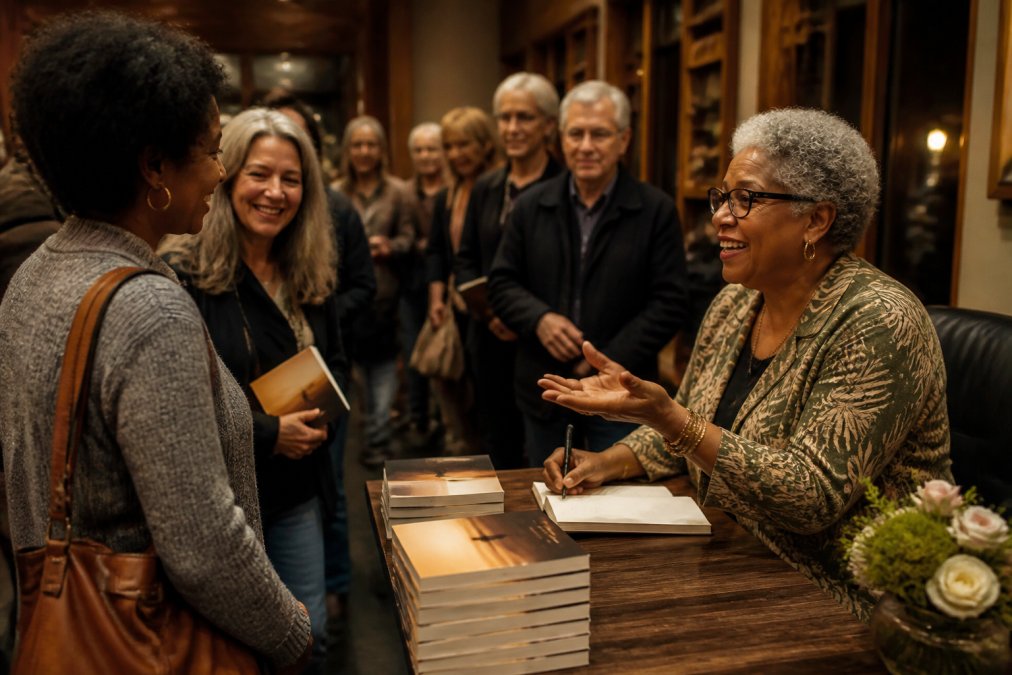
Publishing your manuscript is the starting line for getting your work into readers' hands. Book marketing involves multiple channels: an author website, email list, and social media presence where readers can find you. You'll pitch to book bloggers, journalists, and podcasters. You'll plan a launch strategy, potentially including events and interviews.
Most authors are writers, not marketers. They lack experience building platforms or running campaigns. A good publisher provides basic marketing support, getting your book listed on major retailers, arranging some media outreach, helping you plan your launch. But here's the truth: most marketing work falls on you. Publishers expect authors to use their own platforms and networks.
Collaborative Publishing Australia: A Middle Path Between Self-Publishing and Traditional Routes
Collaborative publishing is a partnership where the publisher works with you rather than taking your manuscript and handling everything, or you handling everything yourself. The publisher typically handles design, editing, printing, and distribution. You handle content and often contribute to marketing. Costs and profits are shared.
How Collaborative Publishing Differs from Vanity Publishing
The difference comes down to selectivity, integrity, and shared reputation. A vanity publisher takes anyone's money and publishes anything. A collaborative publisher is selective. They read your manuscript carefully and might ask you to revise before working with you. They might decline projects that don't meet their standards.
In vanity publishing, the publisher makes money from author fees, regardless of whether the book sells. In collaborative publishing, the publisher makes money from book sales, just like you do. This creates alignment. If the book fails, both parties lose. If it succeeds, both parties win.
Comparing Costs: Manuscript Agencies vs. Alternatives
Understanding the financial picture helps you make a clear decision.
| Service Type | What You Get | Best For |
|---|---|---|
| Manuscript Assessment | Written report on manuscript strengths/weaknesses, revision guidance | Manuscripts needing objective feedback before submission |
| Creative Writing Coaching | Ongoing dialogue with coach, skill development, manuscript work | Writers stuck on a project or needing craft guidance |
| Freelance Editor | Developmental editing, copyediting, or both; varies by scope | Authors wanting flexible, personalised editing support |
| Traditional Publisher | Full publishing services; author gets royalties on sales | Manuscripts with strong commercial or literary potential |
| Hybrid Publisher | Publishing services plus some marketing; author keeps higher royalty | Authors wanting professional support with more control |
| Vanity Publisher | Publishing services; author keeps small royalty; poor distribution | Generally not recommended; poor value and quality |
The costs matter, but so does what you're actually paying for. A qualified professional assessment is better value than a service from someone with minimal publishing experience.

Choosing the Right Manuscript Agency Alternative for Your Work

The right choice depends on where you are in your writing journey and what you actually need.
Assessing Your Current Manuscript Stage
Before spending money on any service, be honest about your manuscript's stage. Is it a complete first draft? Have you revised it yourself? Have you had feedback from beta readers or writing groups?
If your manuscript is a rough first draft, you don't need expensive assessment yet. Revise it yourself first. Only then does professional assessment make sense. If you've never finished anything, the problem might be your process, not your manuscript. Coaching addresses that.
Matching Your Goals to the Right Service
Your goals shape the right choice. Are you aiming for traditional publishing? Self-publishing? Getting your work into readers' hands, regardless of the path?
If traditional publishing is your goal, you need to understand what publishers want. A manuscript assessment from someone with traditional publishing experience tells you whether your work is competitive. If you're leaning toward self-publishing, you need different support: understanding cover design, formatting, distribution, and marketing.
At Write Inspire, we work individually with authors to understand their goals and their manuscript. We focus on rigorous development, making sure your work is genuinely ready, rather than rushing it into print. We don't ask for upfront fees when no charge is payable. We only publish work worth printing, with the author's blessing. We take responsibility for the work after it goes to print, supporting marketing and publicity because our reputation is on the line too. When you work with us, you're not a transaction. You're a writer we're committed to seeing succeed.
Finding the right manuscript agency alternative means understanding what you actually need at this stage of your writing journey. Whether that's honest feedback, craft coaching, professional guidance through publication, or ongoing support after launch, the right choice puts your work and success first. Start by assessing where your manuscript really stands. Then match that reality to a service that genuinely addresses your needs. The goal isn't the cheapest option or the fanciest website. The goal is to find partners who believe in your work and have the experience to help you make it the best it can be.
Frequently Asked Questions
Do I need a manuscript agency to get my book published in Australia?
No. Many Australian authors find success through manuscript agencies, but alternatives exist. Creative writing coaching, professional manuscript assessment, and collaborative publishing partnerships can all lead to publication. The right choice depends on your manuscript stage, goals, and the type of support you need. Some authors benefit from coaching to strengthen their work before any submission, while others work directly with publishers who accept unagented submissions.
What is the difference between a manuscript agency and a collaborative publishing partnership?
A traditional manuscript agency typically represents authors to publishers and takes commission on advances and royalties. A collaborative publishing partnership works directly with you to develop, refine, and publish your work, often sharing responsibility for its success. Collaborative publishers may provide editorial feedback, design support, and marketing assistance. The key difference: agencies sell your finished work to third parties, while collaborative partners invest in developing and publishing the work with you, ensuring both reputations are on the line.
What should I look for in a publishing partner regarding integrity and vision?
Look for a partner who works individually with authors, has a clear vision for which projects they'll publish, and only publishes work they believe is worth printing. Avoid anyone asking for large upfront fees when no service has been delivered. Reputable partners take responsibility for the work's quality and continue supporting authors after publication through book marketing and publicity. Ask about their track record, what they've published, and how they support authors beyond the initial manuscript stage.
How does a collaborative publishing partnership work for new authors?
A collaborative partnership typically begins with manuscript assessment or coaching to strengthen your work. The publisher then works with you on editing, formatting, and design. Unlike vanity publishing, a genuine collaborative partner invests in your success and doesn't ask for upfront fees for services not yet delivered. After publication, they continue supporting you with marketing and publicity strategy. The partnership succeeds when both author and publisher are invested in creating work worth reading and selling.
This article was written using GrandRanker