

Table of Contents
- Why Writers Choose Alternatives to Traditional Writing Coaching
- One-on-One Mentorship: Working with a Professional Writing Mentor Australia
- Manuscript Assessment Services Australia: Getting Professional Feedback
- Creative Writing Workshops and Short Courses
- How to Find a Book Coach: Your Vetting and Verification Guide
- Writing Accountability Groups Australia: Community-Driven Support
- Cost-Benefit Analysis: Coaching vs. Courses vs. Self-Directed Learning
- Remote vs. Regional Accessibility: Where You Can Access Support
Last Updated: August 7, 2026

When you're serious about finishing that manuscript, the question isn't whether you need help, it's what kind of help actually works. Writing coaching alternatives have exploded in recent years. Not every writer needs a traditional one-on-one coach. Some thrive in accountability groups. Others benefit from targeted manuscript assessment or a structured workshop. This guide breaks down the real options available to NSW writers in 2026, so you can find the alternative that fits your situation.
Why Writers Choose Alternatives to Traditional Writing Coaching
The traditional coaching model, weekly sessions with a dedicated coach, works brilliantly for some writers and feels like overkill for others. Time constraints matter. Budget plays a role too. And different writers learn differently. Some need a sounding board. Others need structure. Some need community.
The good news is that writing coaching alternatives have matured significantly. You're not choosing between "full coaching" and "nothing." You're choosing between distinct models, each with real strengths. Mentorship from established authors gives you insider knowledge. Manuscript assessment services provide professional feedback without ongoing commitment. Workshops build specific skills in concentrated bursts. Accountability groups create momentum through community.
One-on-One Mentorship: Working with a Professional Writing Mentor Australia
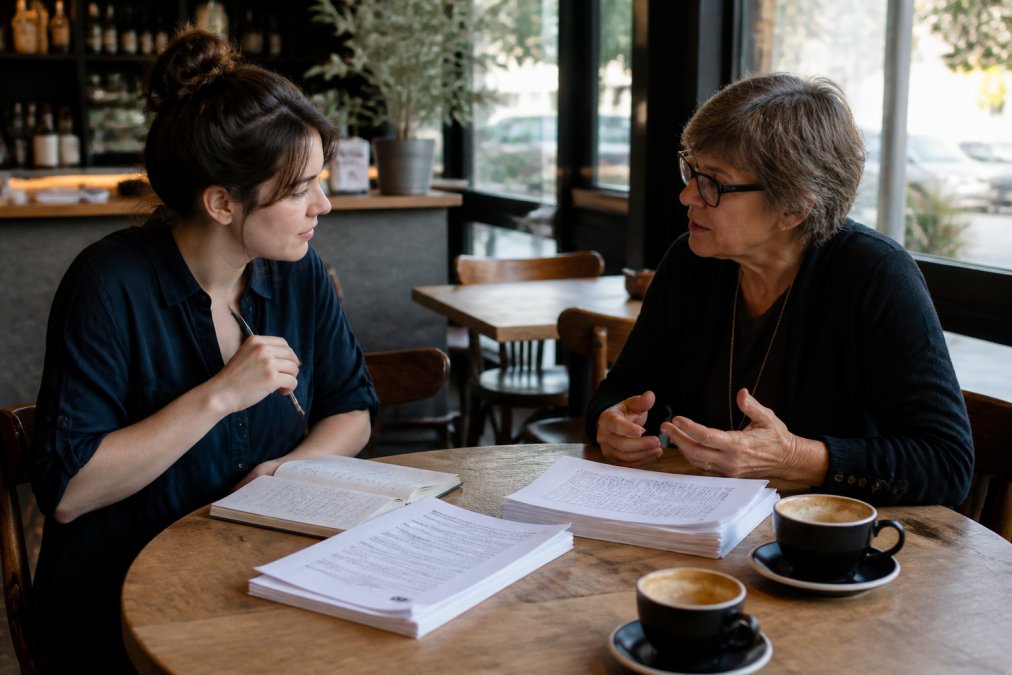
One-on-one mentorship sits in an interesting middle ground. It's more intensive than a workshop but typically less expensive than ongoing coaching. A writing mentor is usually an established author or industry professional who works with you on your manuscript, craft, or publishing strategy over a defined period.
What to Expect from Mentorship
Mentorship typically involves regular sessions (usually monthly or bi-weekly) where you discuss your manuscript, get feedback on pages you've written, and receive guidance on craft elements like structure, character development, or dialogue. The mentor asks hard questions and helps you see what needs fixing. You leave each session with clear direction and actionable next steps.
The best mentorship relationships feel like a conversation with someone who's been exactly where you are. They've finished manuscripts, dealt with rejection, and understand the publishing landscape. That lived experience is what you're paying for. According to the Australian Writers Mentoring Program, mentors work with writers across fiction, non-fiction, and memoir, tailoring their approach to your specific project and experience level.
How to Get Started
Start by identifying what you need from a mentor. Are you working on your first novel? Do you need help with structure? Be specific. Then research mentors who specialise in your genre. Check their published work. Does their writing style align with yours?
Many mentorship programs in Australia operate through formal channels. The Australian Society of Authors mentorship program offers structured mentorships with flexible hour packages. Varuna, the National Writers' House in the Blue Mountains, also offers mentorship opportunities, often paired with residential fellowships that give you focused time to work intensively on your manuscript.
When you contact a potential mentor, be clear about your project, timeline, and expectations. Ask about their process. How often do you meet? What's their feedback style? Some mentors are gentle and encouraging. Others are direct and critical. Neither is wrong, it depends on what helps you write better.
Manuscript Assessment Services Australia: Getting Professional Feedback
Manuscript assessment is different from coaching. You submit your completed manuscript (or a substantial portion of it), and an experienced editor or publishing professional provides detailed written feedback. It's a one-time service rather than an ongoing relationship.
What Assessment Covers
A thorough manuscript assessment examines structure, pacing, character development, dialogue, voice, and overall marketability. The assessor reads your entire manuscript and provides a detailed report identifying strengths, weaknesses, and specific areas for revision. They might flag plot holes, inconsistent characterisation, slow sections, or unclear themes.
The best assessments aren't just criticism. They're diagnostic. They help you understand what's working and why, so you can make informed decisions about revision. A good assessor also considers your genre and audience.
When to Use Assessment
Use manuscript assessment when you've completed a draft and you're ready to revise. It's less useful if you're still in early drafting stages. Many writers use assessment strategically. They finish a draft, get assessed, revise based on feedback, then either submit to agents or self-publish.
Faber Writing Academy offers manuscript assessments alongside their courses, providing feedback from professional editors and published authors.
Creative Writing Workshops and Short Courses
Workshops and short courses are structured learning experiences designed to teach specific skills, how to write dialogue, develop a character arc, structure a novel, write a memoir, in a concentrated format.

In-Person and Online Options
NSW writers have options for both. In-person workshops offer face-to-face interaction, immediate feedback, and community building. Varuna offers residential programs where you spend a week or more in a dedicated writing space with other writers, supported by tutors and mentors. Online workshops offer flexibility. You can participate from home, often on your own schedule.
The Australian Writers' Centre runs courses across multiple formats: online, in-person in Sydney and other cities, and self-paced. Their courses are practical and cover everything from introductory "Fiction Essentials" to specialised workshops on memoir, screenwriting, or genre-specific writing.
Building Skills Without Long-Term Commitment
The appeal of workshops is clear: you learn a specific skill, apply it immediately, and move forward. You're not committing to months of coaching. Many writers stack workshops strategically, building their toolkit piece by piece.
How to Find a Book Coach: Your Vetting and Verification Guide
If you do decide to pursue formal coaching, knowing how to evaluate a potential coach matters enormously.
Questions to Ask Before Committing
Start with credentials. What has this coach written? Have they published books? Ask for references. A good coach will happily connect you with past clients.
Ask about their process. How do they work? What can you expect in each session? How much work do they expect you to do between sessions? Clarify scope and timeline. Are you signing up for a fixed number of sessions or an ongoing arrangement? What happens if you need to pause?
Ask about their experience with your specific type of project. A coach who specialises in memoir might not be the best fit for your science fiction novel.
Most importantly, do a trial session if possible. Chemistry matters. You need to trust this person and feel comfortable being vulnerable about your work.
Red Flags and Green Flags
Green flags:
- They've published work themselves
- They ask detailed questions about your manuscript and goals before proposing a plan
- They're honest about what coaching can and can't do
- They offer a trial session or consultation
- They have testimonials from past clients
- They focus on your goals, not their methods
Red flags:
- They promise to "make you a published author" or guarantee results
- They can't clearly explain their process
- They push you toward their preferred approach without understanding your needs
- They're vague about pricing or try to lock you into long-term contracts
- They have no published work themselves
- They focus more on selling you additional services than on your manuscript
Writing Accountability Groups Australia: Community-Driven Support
Accountability groups are built on a simple principle: writers work better when they're part of a community with shared goals. You show up, report on your progress, listen to others' progress, and commit to what you'll do before the next meeting.
Local and Online Groups
NSW has thriving local groups. Writing NSW (the peak body for writers in the state) connects writers and often facilitates or advertises group meetings. Many local libraries host writing groups. Bookshops sometimes host them. You can also find online groups through platforms like Meetup.
The best groups have consistent members, regular meeting times, and clear norms. Some meet weekly. Some meet fortnightly. Some focus on specific genres. Others are open to all genres.
What Accountability Groups Deliver
An accountability group gives you three things. First, regular commitment. You've told the group you'll write 5,000 words this week, so you're more likely to actually do it. Second, community. You're not alone in the struggle. Third, momentum. Most writers work in isolation. An accountability group creates a rhythm and a reason to show up.
The financial investment is minimal or nonexistent. Many groups are free or ask a small donation for venue costs.
Cost-Benefit Analysis: Coaching vs. Courses vs. Self-Directed Learning
The question many writers face is straightforward: where should I invest my limited time and money?
Time Investment and Outcomes
Self-directed learning (books, blogs, podcasts about writing craft) requires the least money but the most discipline. You control your learning pace, but you also have to stay motivated without external accountability.
Workshops and short courses require moderate time and money. You commit a few weeks or a weekend and gain specific skills. The time investment is defined and finite.
Ongoing coaching requires significant time and money, but it provides consistent accountability and personalised feedback. Coaching works best for writers who struggle with isolation or who benefit from regular feedback and external accountability.
Mentorship sits in the middle. You get personalised attention and feedback from an experienced writer, but usually for a defined period rather than indefinitely.
Finding Your Budget Sweet Spot
The honest truth is that no single approach works for everyone, and more expensive doesn't always mean better. A writer who's disciplined and self-motivated might finish a manuscript with just a couple of workshops. Another writer might need ongoing accountability to stay on track. Your personality, circumstances, and specific challenges matter more than the price tag.
Consider what you actually need. Do you struggle with motivation? An accountability group might be worth more than a workshop. Do you need specific feedback on your manuscript? Assessment or coaching. Do you want to build foundational skills? A course or workshop. Do you need someone to help you navigate the publishing process? A mentor or coach with publishing experience.
Also consider timing. You might use different supports at different stages. Early on, a workshop might be perfect. Once you have a manuscript, assessment becomes valuable. If you're revising, coaching might help. If you're facing the publishing stage, mentorship with someone who knows the industry might be what you need.
[WriteInspire's coaching and guided resources(/products/co-authoring-lead-your-story-from-spark-to-finished-manuscript) | writeinspire.com.au/products/co-authoring-lead-your-story-from-spark-to-finished-manuscript] offer structured support designed to help writers move from idea to finished manuscript, combining elements of coaching, guided learning, and accountability.
Remote vs. Regional Accessibility: Where You Can Access Support
Geography shouldn't limit your options. NSW is a large state, and not every writer can easily access in-person workshops or mentorship in Sydney. Remote support has become sophisticated and accessible.
Online workshops and coaching are now standard. You can participate from anywhere with an internet connection. Many programs offer flexible scheduling to accommodate different time zones and work schedules. Remote mentorship works surprisingly well, you get the same feedback and guidance as in-person mentorship, just via video call or email.
For writers in regional NSW, this is genuinely transformative. You can access coaching and mentorship without relocating or making the drive to Sydney. You can join accountability groups with writers across Australia or internationally.
That said, some writers thrive with in-person interaction. If you're in Sydney, you have options. Varuna's residential programs are accessible from anywhere in NSW. The Australian Writers' Centre runs in-person courses in Sydney. Local writing groups meet across the state.
The key is knowing what works for you. If you're someone who needs face-to-face connection and feedback, prioritise in-person options. If you're more independent and prefer flexibility, remote options are excellent. Most writers benefit from a mix.

Finishing a manuscript is hard. Most writers don't do it alone, and they shouldn't have to. The alternatives to traditional coaching have made professional support accessible in ways that weren't possible even five years ago. Whether you choose mentorship, assessment, workshops, accountability groups, or some combination of these, the point is the same: you're choosing support that matches your goals, your budget, and your working style.
WriteInspire has spent over 30 years helping writers move from spark to finished manuscript through structured coaching and guided resources. If you're ready to commit to finishing your work, explore how WriteInspire's manuscript development support can help you build the skills and maintain the momentum you need.
| Support Type | Time Commitment | Best For | Format |
|---|---|---|---|
| Self-directed learning | Flexible, ongoing | Building foundational knowledge | Books, blogs, podcasts |
| Workshops | Concentrated (1-4 weeks) | Learning specific skills | In-person or online |
| Accountability groups | 1-2 hours per week | Maintaining momentum and community | Local or online |
| Manuscript assessment | One-time, 2-4 weeks turnaround | Getting professional feedback on a completed draft | Written report |
| Mentorship | 1-2 hours per month, 3-6 months | Personalised guidance from an experienced writer | In-person or online |
| Ongoing coaching | 1-2 hours per week | Sustained accountability and feedback | In-person or online |
Frequently Asked Questions
What's the difference between a writing coach and a structural editor?
A writing coach guides you through the creative process, offering accountability, feedback on your work, and help overcoming writer's block and procrastination. A structural editor assesses your finished manuscript and suggests revisions to plot, character, and pacing. Coaching develops your skills and keeps you moving; editing refines what you've already written. Many writers use both at different stages.
How do I find a professional writing mentor Australia who's right for my manuscript?
Start by identifying your genre and experience level. Ask potential mentors about their background in your genre, what feedback they provide, and how they work. Check if they've published or coached authors you admire. Look for mentors who understand your specific challenges, whether that's finishing a half-written manuscript or polishing your first draft. Many Australian mentors offer initial consultations to see if it's a good fit.
Are writing accountability groups Australia effective for actually finishing a manuscript?
Yes, when structured well. Accountability groups work because they create regular deadlines, peer support, and shared goals. Writers in these groups report higher completion rates and fewer months spent stuck on the same chapter. They're particularly effective for overcoming procrastination and writer's block. The key is finding a group that meets regularly and has members committed to finishing their work.
Can I get manuscript assessment services Australia even if my work is rough and incomplete?
Absolutely. Manuscript assessment services exist for all stages. Early assessments help you shape your story before investing months in revision. Mid-draft assessments catch structural problems while you can still rewrite. Even partial manuscripts benefit from professional feedback. Many assessors specifically work with unfinished projects and can tell you whether your concept is strong and where to focus next.
This article was written using GrandRanker