

Table of Contents
- Writers Studio vs Manuscript Agency: Key Differences at a Glance
- What a Writers Studio Actually Does
- What Manuscript Assessment Services Australia Offer
- How to Find a Literary Agent in Australia
- Writing Mentorship Programs: Structure and Support
- Cost-Benefit Analysis: Which Option Gives Better Value
- Red Flags and How to Choose the Right Fit
- Conclusion: Your Next Step
Last Updated: August 10, 2026
Writers Studio vs Manuscript Agency: Key Differences at a Glance
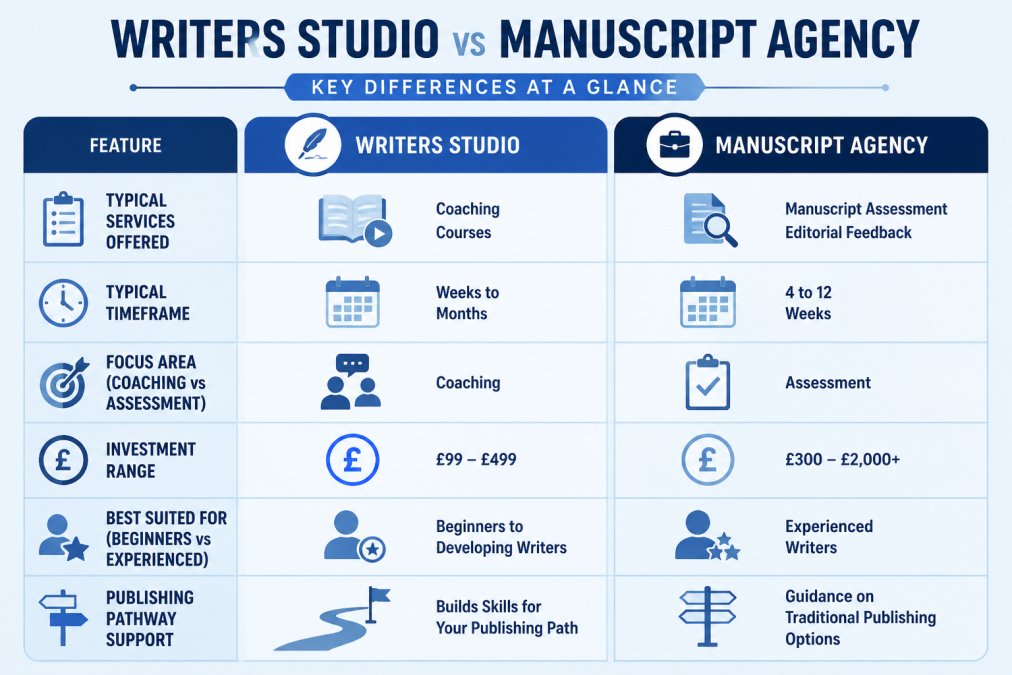
When you're ready to develop your manuscript seriously, two paths emerge: a writers studio focused on coaching and craft development, or a manuscript assessment service that provides professional feedback on a completed draft. The difference between them shapes everything about your writing journey, from how much hands-on guidance you receive to what you'll pay and how long the process takes.
A writers studio typically offers ongoing mentorship, structured coaching, and collaborative development of your work from early draft through refinement. A manuscript assessment service, by contrast, evaluates a finished manuscript and delivers detailed editorial feedback without the ongoing relationship. One builds your skills over time; the other validates your work at a specific moment.
The choice depends on where you are in your writing journey and what you actually need. If you're still developing your manuscript and want real-time guidance, a studio environment works best. If you've completed a draft and need professional eyes to tell you what's working and what isn't, assessment services deliver that focused critique.
What a Writers Studio Actually Does
A writers studio operates as a structured creative environment where you develop your craft alongside professional guidance. Rather than handing over a finished manuscript for critique, you work collaboratively with coaches who help you shape your ideas, strengthen your narrative, and refine your voice throughout the writing process.
The typical studio model includes regular feedback sessions, writing exercises designed to build specific skills, and accountability structures that keep you moving forward. Many studios use group cohorts, meaning you're also learning from other writers at similar stages. This peer dynamic often becomes as valuable as the professional coaching itself.
WriteInspire's approach exemplifies this model. With over 30 years of experience in creative writing coaching, the platform provides structured support including manuscript development and specialized writing courses. Rather than treating writing as something you finish in isolation and then seek feedback on, studios help you build the skills and habits that produce publishable work from the start.

The real value of a studio isn't just the feedback, it's the accountability and the incremental skill development. You're not waiting until you've written 80,000 words to discover a fundamental problem with your structure. You're catching issues early, learning why they matter, and developing the instinct to avoid them in future work.
Studios typically work best for writers who are still developing their manuscript or who want to strengthen foundational craft skills before pursuing publication. If you've been sitting on a half-finished manuscript for years, a studio environment with regular check-ins often provides the momentum you need to actually finish it.
What Manuscript Assessment Services Australia Offer
A manuscript assessment service evaluates a completed or near-complete draft and delivers detailed professional feedback on structure, pacing, characterisation, dialogue, and marketability. Unlike a studio, there's no ongoing relationship, you submit your work, receive a comprehensive report, and then implement the feedback yourself.
The assessment typically includes editorial commentary on strengths and weaknesses, specific suggestions for revision, and honest feedback about whether your manuscript is ready for agent submission or self-publishing. Many assessment services also evaluate commercial viability, will this manuscript appeal to publishers, and if so, to which genre and audience?
Professional manuscript assessment services Australia operate across a range of price points and depth levels. Some provide high-level structural feedback; others offer line-by-line editorial notes. The best assessments are specific enough to be actionable, not just "your dialogue needs work" but "your characters' voices are too similar; here's how to differentiate them."
The key distinction: assessment services don't teach you to write better. They tell you what needs fixing in this particular manuscript. That's valuable if you're confident in your craft and just need professional validation and direction. It's less useful if you're still learning how to structure a novel or develop character arcs.
Many Australian writers use assessment services as a stepping stone before querying agents. A solid assessment report can strengthen your query letter ("A professional editor noted that my manuscript's pacing is compelling") and gives you concrete revision targets before you start pitching to literary agents.
How to Find a Literary Agent in Australia
Finding a literary agent in Australia requires understanding what agents actually do and what they're looking for. An agent represents your work to publishers, negotiates your contract, handles the business side of publishing, and advocates for your interests throughout your career. They don't develop your manuscript, that's your responsibility or the responsibility of editors and coaches you hire yourself.
Australian agents typically work on commission, taking a percentage of your advance and royalties in exchange for their representation. They're selective about who they represent because their income depends on selling your work to publishers. This means they won't take you on unless they genuinely believe your manuscript is marketable.
To find an agent, start with the Australian Society of Authors directory or the Association of Australian Literary Agents. These organisations maintain lists of active agents, their genres of interest, and submission guidelines. Many agents have websites detailing exactly what they're looking for and how to query them.
The query letter is your introduction. It's a one-page pitch that includes a hook, a brief synopsis, your credentials (if any), and why you're approaching this particular agent. Agents receive hundreds of queries monthly, so yours needs to stand out immediately. It should demonstrate that you understand the market, know your genre, and have written something worth their time.
Rejection is normal and doesn't reflect your manuscript's quality. Agents reject queries because they're full, because the manuscript isn't quite right for their list, or because they didn't connect with the pitch. Persistence matters, many successful authors queried dozens of agents before finding representation.
Writing Mentorship Programs: Structure and Support
A writing mentorship program pairs you with an experienced writer or coach who guides your development over a defined period. Unlike casual writing groups where everyone offers opinions, mentorship is structured, one-on-one, and focused on your specific goals and challenges.
Effective mentorship programs include regular meetings (weekly or fortnightly), specific feedback on your work, guidance on craft fundamentals, and honest assessment of your progress. The mentor's role is to accelerate your learning by sharing hard-won knowledge and helping you avoid common pitfalls.
The best mentors have published work themselves, understand the industry, and can speak from experience about what actually works. They're not just cheerleaders, they're willing to tell you when something isn't working and why. This candour is what makes mentorship valuable.
Mentorship works particularly well for writers who are early in their journey and need foundational guidance. If you're struggling with plot structure, character development, or simply finishing a manuscript, a mentor can help you move past those obstacles much faster than you would alone.
WriteInspire's writing coaching services provide this kind of structured mentorship, combining professional guidance with collaborative manuscript development. The focus is on rigorous coaching rather than vanity publishing, meaning the emphasis is on building your actual skills, not just validating your work.

The commitment required is significant. Mentorship demands that you show up regularly, do the work between sessions, and be genuinely open to feedback. But the payoff is substantial: writers who engage seriously with mentorship typically produce stronger work in less time than those who navigate the journey alone.
Cost-Benefit Analysis: Which Option Gives Better Value
The financial investment in your writing development varies dramatically depending on which path you choose. Understanding the real costs, and what you get for them, helps you make a decision aligned with your budget and timeline.
Writers studios typically operate on a tiered model. You might pay for a short-term intensive program, a semester-long cohort, or ongoing coaching sessions. The investment can range from modest (for group cohort programs) to substantial (for one-on-one coaching). What you're paying for is ongoing guidance, accountability, and skill development over weeks or months.
Manuscript assessment services charge per project. You pay once, submit your manuscript, and receive feedback. The cost is typically lower than studio programs but also more limited in scope. You're getting professional critique, not ongoing coaching.
The real question isn't which costs less, it's which delivers better value for your specific situation. If you're early in your writing journey and your manuscript needs substantial structural work, ongoing coaching in a studio environment will likely serve you better than a one-time assessment. The assessment might tell you what's broken, but a studio helps you learn how to build it right.
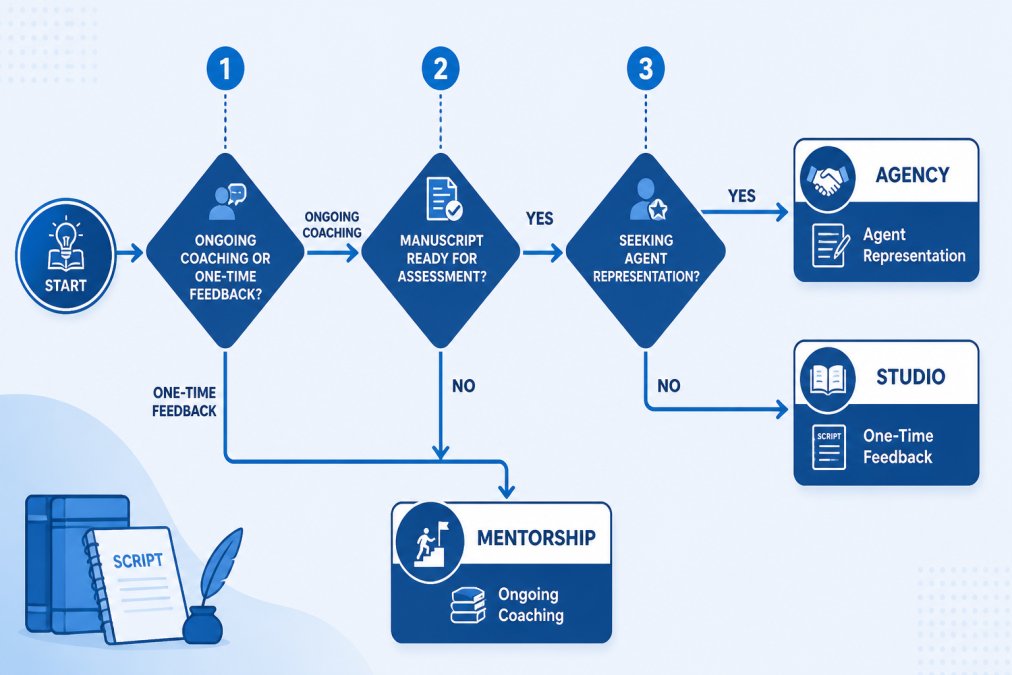
If you're confident in your craft and have a completed manuscript, an assessment service delivers focused value without the larger financial commitment. You know what you need, professional eyes on your finished work, and that's what you're paying for.
The timeline also matters. Studios typically require a longer commitment (weeks to months). Assessment services can turn around feedback in days or weeks. If you're on a deadline to query agents, assessment might be the faster choice.
Consider also what happens after. A studio environment often leaves you with stronger foundational skills that serve your entire writing career. An assessment gives you feedback on this manuscript. Both have value; the question is which aligns with your current needs.
Red Flags and How to Choose the Right Fit
Not all writing services are created equal. Some genuinely develop your craft; others are vanity operations that take your money and offer little real value. Learning to spot the difference protects both your investment and your confidence as a writer.
Red flags in any writing service include: vague promises ("We'll make you a published author"), guarantees of publication or agent representation, pressure to commit large sums upfront, lack of transparency about credentials or methodology, and testimonials that sound fabricated. Legitimate coaches and assessment services are clear about what they do, what they don't do, and what results are realistic.
Be wary of services that position themselves as gatekeepers to publishing. No coach, studio, or assessment service can guarantee that agents or publishers will want your work. What they can do is help you develop the strongest possible manuscript and give you honest feedback about its commercial potential.
Check credentials carefully. Has the coach or assessor published their own work? Do they have experience in your genre? Can they point to real writers they've worked with? (Though they may not share names due to confidentiality, they should be able to discuss their experience in general terms.) Experience matters, someone who's navigated publishing themselves can offer insights that someone who hasn't simply can't.
Ask specific questions before committing. What exactly will you receive? How often will you meet or get feedback? What's the cancellation policy? What happens if you're not satisfied? Legitimate services answer these questions clearly. Evasiveness is a warning sign.
Trust your instinct about fit. A great coach for someone writing literary fiction might be wrong for someone writing crime thrillers. The best service is one where you feel genuinely understood and where the methodology aligns with how you actually work.
Look for services that emphasise your development as a writer, not just feedback on this manuscript. WriteInspire's focus on rigorous coaching rather than vanity publishing reflects this philosophy, the goal is to help you build real skills, not just validate your current work.
Conclusion: Your Next Step
Choosing between a writers studio and manuscript assessment service means being honest about where you are in your writing journey. Are you still developing your craft and your manuscript simultaneously? A studio environment with ongoing coaching serves that process. Have you completed a draft and need professional validation and direction? Assessment services deliver that focused feedback.
The real opportunity lies in understanding that these aren't mutually exclusive. Many writers benefit from both, studio coaching early in their development, assessment services later when their manuscript is near completion. The investment in your writing development is an investment in your entire creative career, not just this one project.
WriteInspire offers structured creative writing coaching and manuscript development designed for Australian writers serious about their craft. With over 30 years of experience, the platform provides the kind of rigorous guidance that helps writers move from aspiration to completion. Whether you're developing your first manuscript or refining work you've been carrying for years, professional coaching accelerates your progress and strengthens your foundation.

The writers who finish manuscripts and get published aren't necessarily more talented, they're the ones who invested in their development and showed up consistently. That commitment, supported by the right guidance, is what transforms an idea into a finished work you're genuinely proud of.
Frequently Asked Questions
What's the difference between a writers studio and a manuscript agency?
A writers studio typically offers ongoing coaching, craft development, and community support to help you improve your writing and complete manuscripts. A manuscript agency focuses on assessing finished or near-finished work and providing detailed editorial feedback. Studios emphasise the learning journey; agencies focus on evaluating what you've already written. Some studios include manuscript assessment as part of their programs, but their primary aim is building your skills over time.
Do I need a manuscript assessment before approaching an Australian publisher?
Not always, but it helps. Many Australian publishers accept unagented submissions, though they receive high volumes. A professional manuscript assessment services Australia can identify structural issues, pacing problems, and genre misalignment before you submit. This improves your chances significantly. However, if you're working with a literary agent, they often provide editorial guidance before pitching your work to publishers, so a separate assessment may be less critical.
How do I know if a writing mentorship program or studio is legitimate?
Look for clear information about who's teaching, what they've published or produced, and how long they've been operating. Legitimate programs explain their curriculum upfront and show examples of writer outcomes. Check for red flags: pressure to pay upfront for publishing services, vague promises about getting published, or resistance to answering questions about the coach's background. Ask for references from past participants. WriteInspire, for example, is transparent about 30+ years of experience and focuses on coaching rather than publishing services.
Can writing mentorship programs work if I only have an hour or two a week to write?
Yes, if the program is structured flexibly. The best mentorship programs recognise that writers have different schedules and life demands. Look for options offering recorded content, asynchronous feedback, or flexible pacing rather than rigid weekly deadlines. What matters more than time volume is consistency and focused work during the time you do have. Structured coaching can actually help you use limited hours more effectively by eliminating wasted effort and false starts.
What's the difference between hiring a freelance editor and joining a writers studio?
A freelance editor typically works on your finished manuscript, providing line editing, copy editing, or developmental feedback on what's already written. A writers studio offers ongoing coaching, craft development, community, and guided practice to improve your writing skills before and during the writing process. Studios help you learn to self-edit and develop stronger instincts; editors fix what you've already created. For first-time authors, a studio often builds more sustainable skills, while an editor is valuable once your manuscript is substantially complete.
The next step is deciding what your manuscript needs right now. If you're uncertain, a writing consultation can help clarify the path forward. [EXTERNAL_LINK: WriteInspire's writing consultation service | writeinspire.com.au] offers personalised guidance to help you understand exactly what your work needs and which development approach will serve you best. Start there, and let that conversation guide your next decision.
This article was written using GrandRanker